Era VI · 1792–1866
Empire and Revolution
Amid the Napoleonic Wars, Francis II founded the Austrian Empire in 1804 and dissolved the Holy Roman Empire two years later. Metternich led the Congress of Vienna; the revolutions of 1848 brought eighteen-year-old Franz Joseph to the throne.
Overview
In the wars of the French Revolution and Napoleon, Austria fought France four times and lost four times. Francis II proclaimed himself Emperor of Austria in 1804, dissolved the thousand-year Holy Roman Empire two years later, and gave his daughter Marie Louise to Napoleon.
After Napoleon's fall, foreign minister Metternich presided over the Congress of Vienna and built a European order to protect monarchy. For thirty years — the "Age of Metternich" — Austria used censors and police to hold down liberalism and nationalism.
In 1848 revolution broke out, Metternich fled and Ferdinand I abdicated in favour of eighteen-year-old Franz Joseph. The young emperor crushed the revolution, but lost Lombardy in 1859 and, defeated by Prussia at Königgrätz in 1866, was shut out of German affairs.
Imperium
The Changing Map
- Austrian Empire
- Kingdom of Hungary
- Lombardy–Venetia and Dalmatia, 1815
- Italian states under Habsburg cadets
- Netherlands and Further Austria given up
- Austrian Empire
- Kingdom of Hungary
- Italian lands lost 1859–1866
Borders are indicative only, approximated from modern administrative regions.
1815
1815: After the Congress of Vienna
Austria gave up the distant Netherlands and Further Austria in exchange for neighbouring Lombardy–Venetia, Dalmatia and Salzburg, making its territory more compact. Tuscany, Modena and Parma were ruled by Habsburgs, and Italy became in effect an Austrian sphere.
1866
1866: Out of Italy and Germany
Defeat at Solferino in 1859 cost Lombardy, and the Habsburg rulers of the Italian states were driven out; defeat by Prussia in 1866 cost Venetia too. Austria withdrew from Italian and German affairs and turned towards the Danube.
Stemma
Family Tree
The principal figures of this era. Gold frames mark Habsburgs; diamonds mark marriages. Each person appears once, so where cousins married, several lines of descent converge on the same figure.
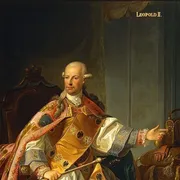 Leopold II1747–1792
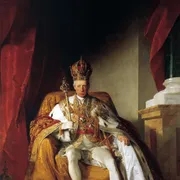 Francis II1768–1835
 Marie Louise1791–1847
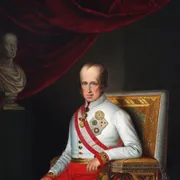 Ferdinand I of Austria1793–1875
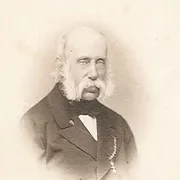 Archduke Franz Karl1802–1878
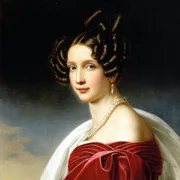 Sophie of Bavaria1805–1872
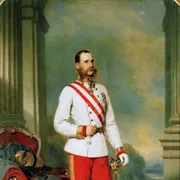 Franz Joseph I1830–1916
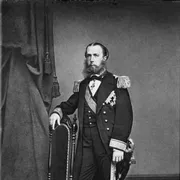 Maximilian I of Mexico1832–1867
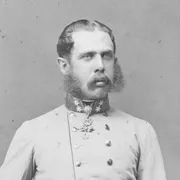 Archduke Karl Ludwig1833–1896
Chronica
Chronology
- 179316 October 1793
Execution of Marie Antoinette
During the French Revolution Marie Antoinette was guillotined in Paris, some nine months after her husband Louis XVI.
- 180411 August 1804
Austrian Empire proclaimed
After Napoleon took an imperial title, Francis II proclaimed himself hereditary Emperor of Austria to secure the dynasty's imperial rank.
- 18052 December 1805
Battle of Austerlitz
Napoleon crushed the Austro-Russian army in the "Battle of the Three Emperors". Austria had to cede Venetia, Tyrol and more.
- 18066 August 1806
The Holy Roman Empire dissolved
After Napoleon created the Confederation of the Rhine, Francis II laid down the imperial crown. An empire of roughly a thousand years came to an end.
- 18101 April 1810
Marie Louise marries Napoleon
Defeated again, Francis II gave his eighteen-year-old daughter to Napoleon, buying breathing space through marriage.
- 18159 June 1815
Congress of Vienna
Chaired by Austria's foreign minister Metternich, it redrew Europe after Napoleon. Austria gained Lombardy–Venetia and the presidency of the German Confederation.
- 18482 December 1848
1848: a new emperor
Revolution swept the empire and Metternich fled. Ferdinand I abdicated at Olmütz, and eighteen-year-old Franz Joseph took the throne.
- 18663 July 1866
Battle of Königgrätz
Prussia routed Austria, which was shut out of German affairs; German unification would be led by Prussia.
Personae
People of this Era
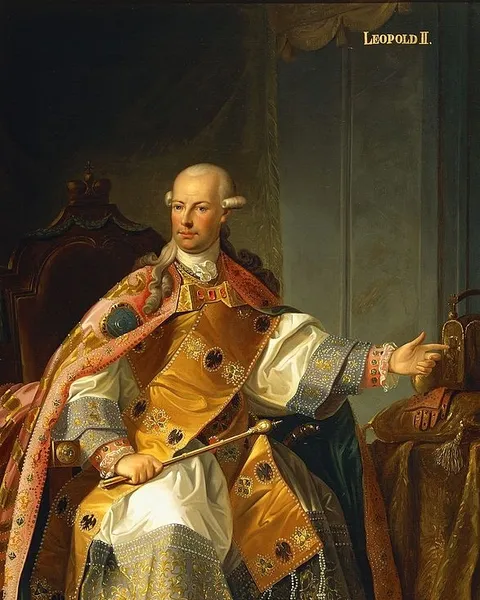 Leopold II1747–1792
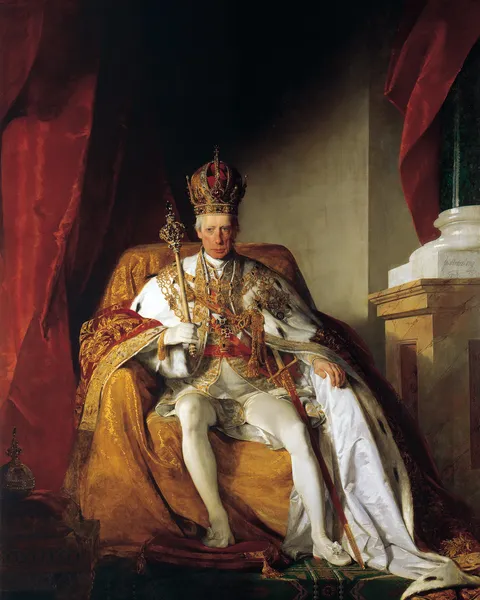 Francis II1768–1835
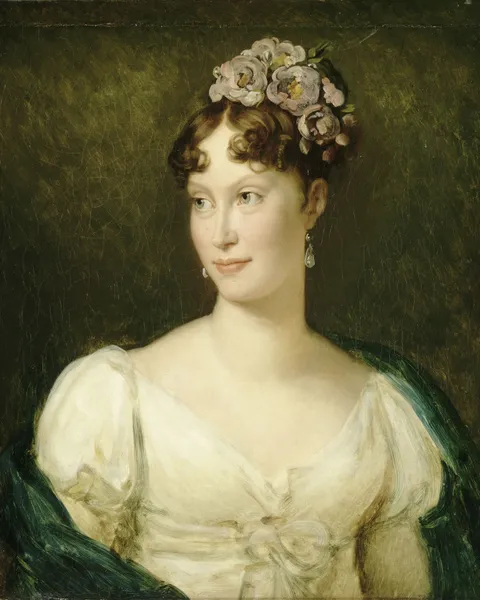 Marie Louise1791–1847
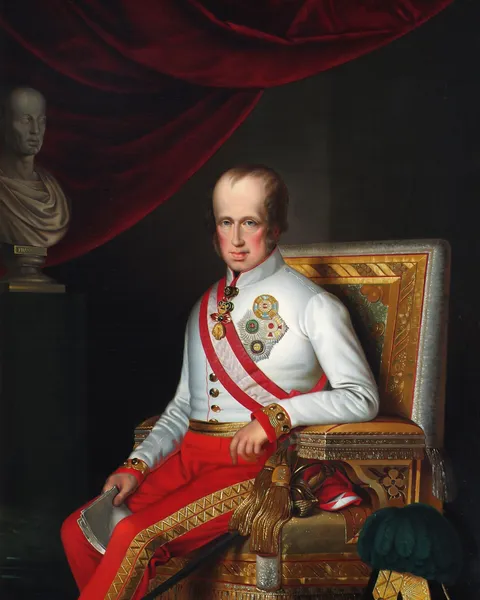 Ferdinand I of Austria1793–1875
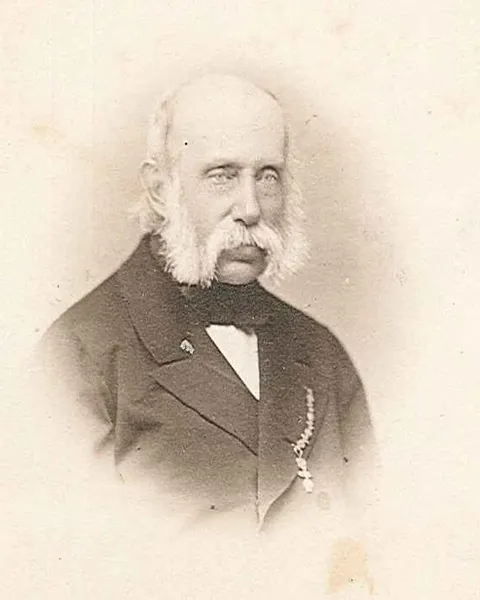 Archduke Franz Karl1802–1878
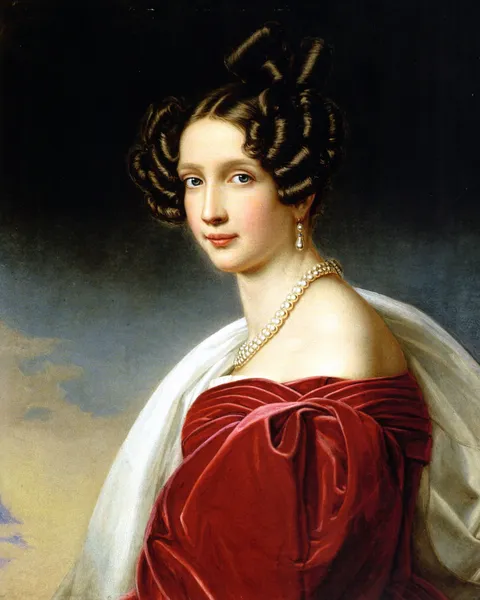 Sophie of Bavaria1805–1872
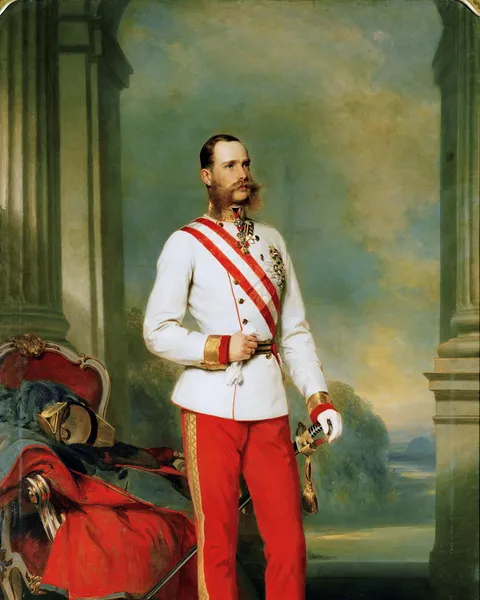 Franz Joseph I1830–1916
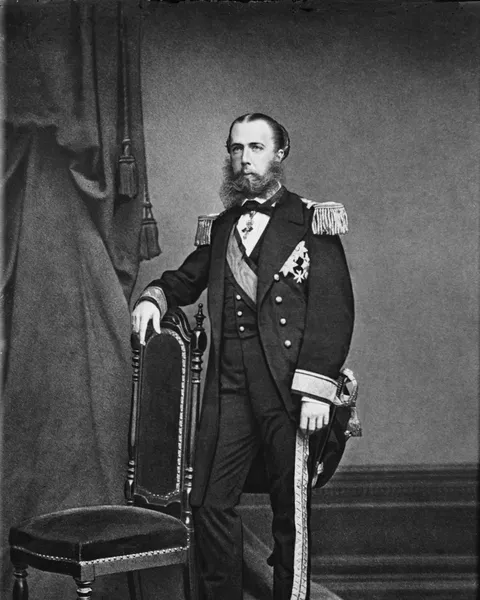 Maximilian I of Mexico1832–1867
 Archduke Karl Ludwig1833–1896