Era V · 1700–1792
The Empress and Reform
After the War of the Spanish Succession, Charles VI secured his daughter's succession with the Pragmatic Sanction. Maria Theresa and Joseph II reformed the monarchy, now the House of Habsburg-Lorraine.
Overview
When Charles II of Spain died, Austria and France fought over his throne. In the end Spain went to the French Bourbons, while Austria took the Spanish Netherlands and Italian lands including Milan and Naples.
Charles VI had no son and spent twenty years buying recognition of the Pragmatic Sanction. When he died in 1740 his daughter Maria Theresa succeeded, and Prussia at once broke its word and seized Silesia. She held on to the rest, reformed finances, army and schools, and with her husband Francis I founded the House of Habsburg-Lorraine.
Her eldest son Joseph II was the model enlightened absolutist, issuing thousands of decrees in ten years and provoking revolt; his brother Leopold II repaired the damage. Their youngest sister, Marie Antoinette, married into France and died on the guillotine in the Revolution.
Imperium
The Changing Map
- Austrian hereditary lands
- Lands of the Bohemian and Hungarian crowns
- Former Spanish lands, 1714–1720
- Austrian hereditary lands
- Lands of the Bohemian and Hungarian crowns
- Austrian Netherlands, Milan, Galicia and the Bukovina
- Tuscany under a cadet line
- Lands lost
Borders are indicative only, approximated from modern administrative regions.
1720
1720: The Other Half of Spain
Spain went to the French Bourbons, but at Utrecht and Rastatt Austria took the Spanish Netherlands, Milan, Naples and Sardinia, swapping Sardinia for Sicily in 1720. The Treaty of Passarowitz in 1718 also won the Banat from the Ottomans.
1780
1780: Maria Theresa's Last Year
Prussia had taken Silesia, and Naples and Sicily had gone to the Spanish Bourbons in 1735. In compensation Austria took Galicia in the First Partition of Poland (1772) and the Bukovina in 1775, while Tuscany was ruled by her son Leopold.
Stemma
Family Tree
The principal figures of this era. Gold frames mark Habsburgs; diamonds mark marriages. Each person appears once, so where cousins married, several lines of descent converge on the same figure.
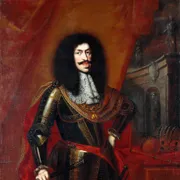 Leopold I1640–1705
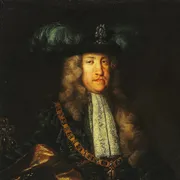 Charles VI1685–1740
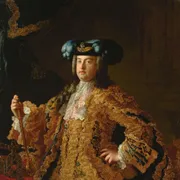 Francis I1708–1765
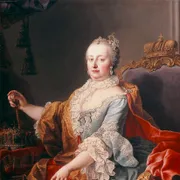 Maria Theresa1717–1780
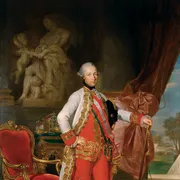 Joseph II1741–1790
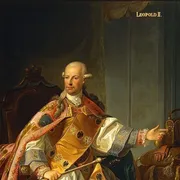 Leopold II1747–1792
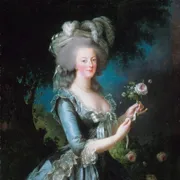 Marie Antoinette1755–1793
Chronica
Chronology
- 171319 April 1713
The Pragmatic Sanction
Charles VI declared the Habsburg lands indivisible and open to female succession. He spent the next twenty years buying Europe's recognition with concessions.
- 174016 December 1740
Prussia invades Silesia
Two months into Maria Theresa's reign, Frederick the Great of Prussia seized rich Silesia, starting the War of the Austrian Succession.
- 17561 May 1756
The Diplomatic Revolution
Austria allied with its old enemy France against Prussia and Britain. To seal the alliance, Maria Theresa later married her youngest daughter to the French heir.
- 177016 May 1770
Marie Antoinette marries at Versailles
Fourteen-year-old Marie Antoinette married the Dauphin, the future Louis XVI, at Versailles.
- 17746 December 1774
Compulsory schooling
Maria Theresa's General School Ordinance made schooling compulsory for children aged six to twelve.
- 178113 October 1781
Patent of Toleration
Joseph II allowed Lutherans, Calvinists and Orthodox Christians to worship openly and to hold public office.
Personae
People of this Era
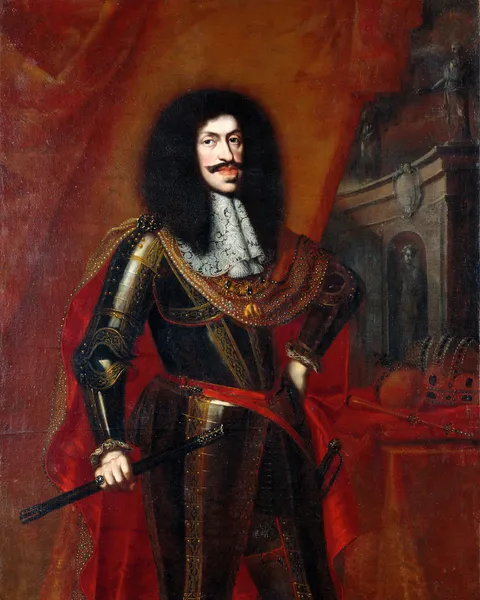 Leopold I1640–1705
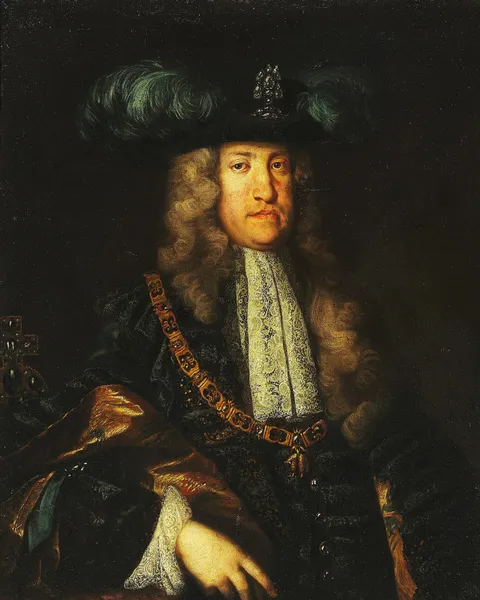 Charles VI1685–1740
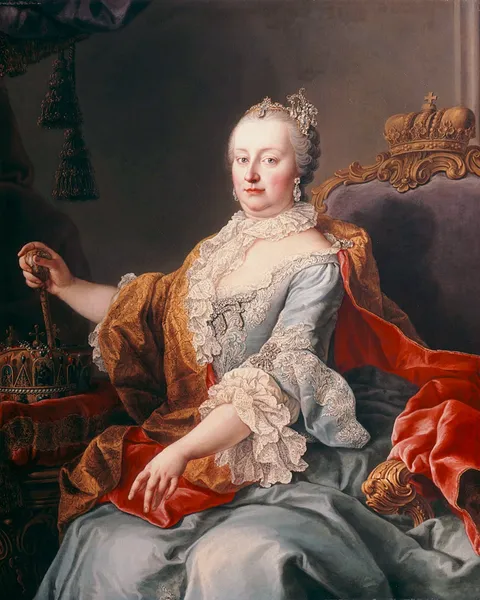 Maria Theresa1717–1780
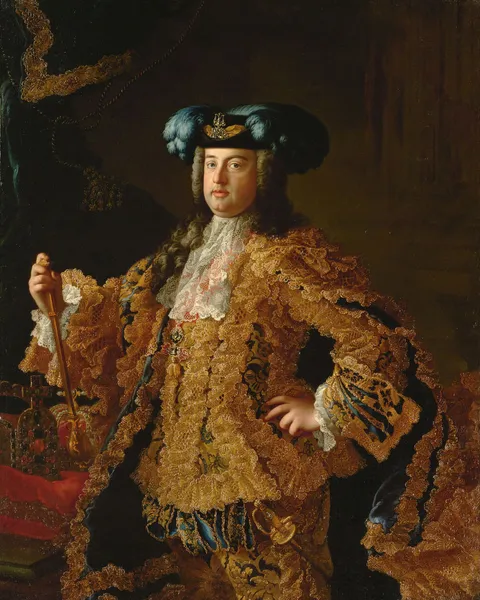 Francis I1708–1765
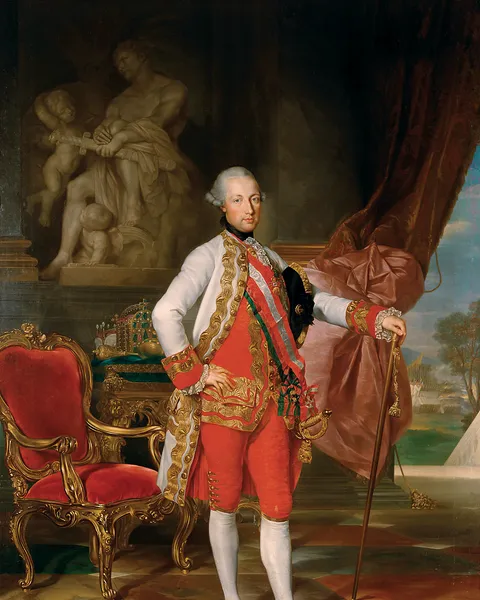 Joseph II1741–1790
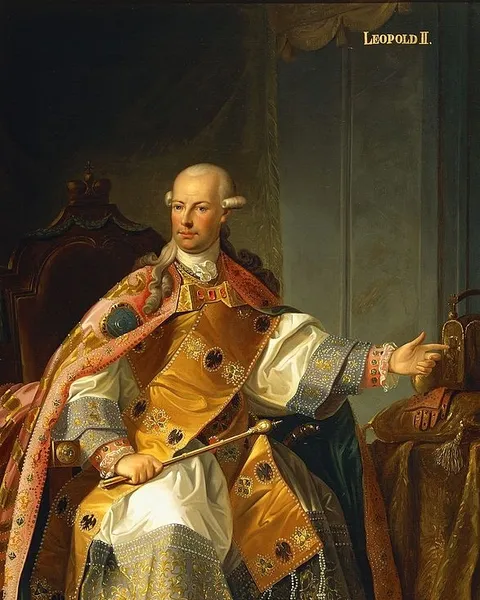 Leopold II1747–1792
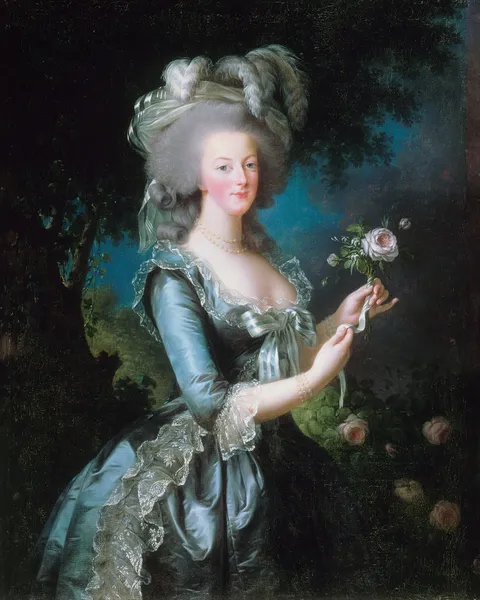 Marie Antoinette1755–1793