Maria Theresa

House of Habsburg

Maria Theresa

瑪麗亞・特蕾莎Maria Theresia

Born
13 May 1717, Vienna
Died
29 November 1780, Vienna

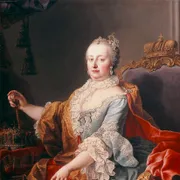
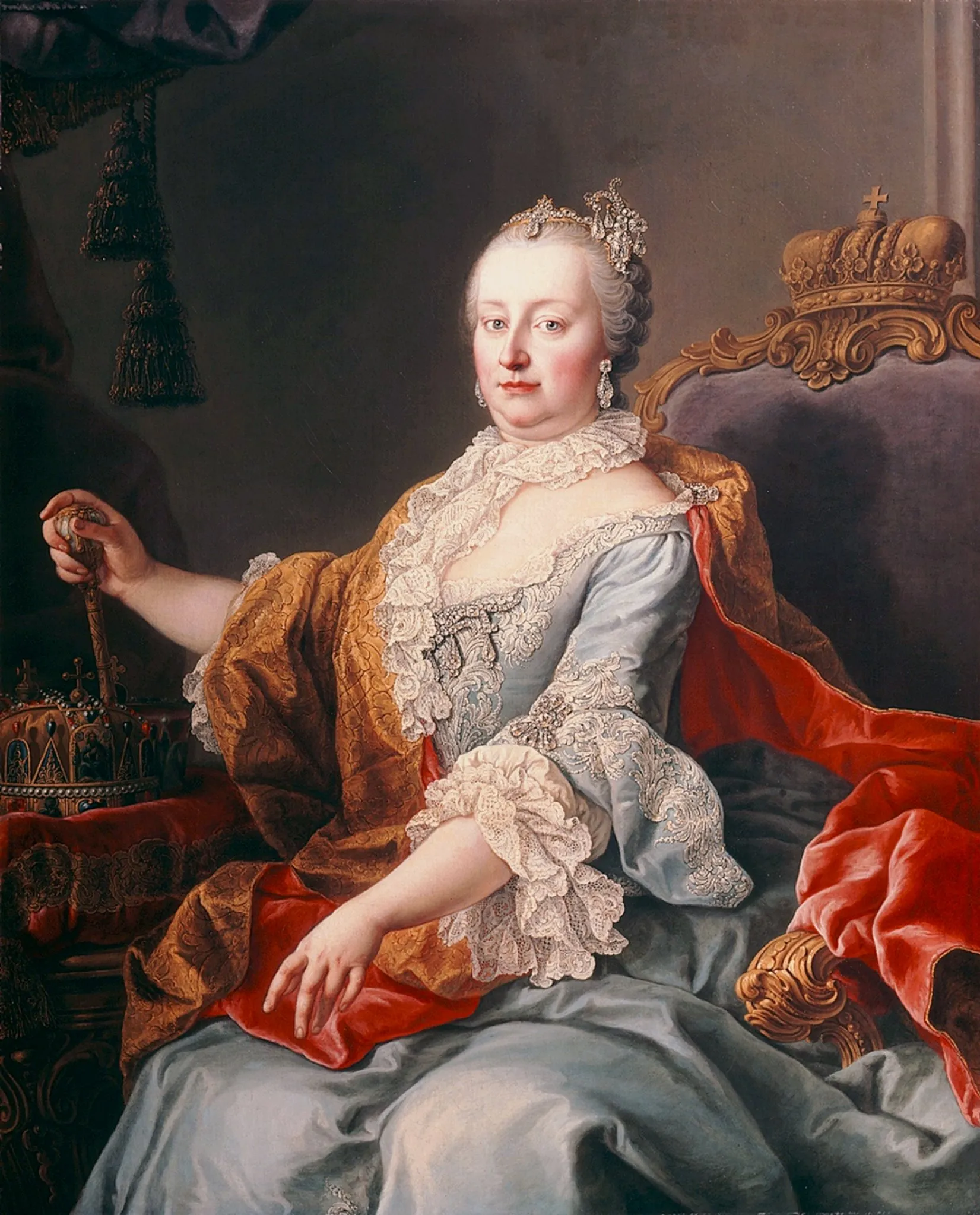
The only woman to rule the Habsburg lands. Prussia seized Silesia at her accession, but she held the rest through the War of the Austrian Succession. She reformed administration, army and schooling, and bore sixteen children.

A full biography is in preparation. The details below are generated from the site's database of people.

Principal Titles

  • Archduchess of Austria, Queen of Hungary and Bohemia1740–1780
  • Holy Roman Empress1745–1765

Parents

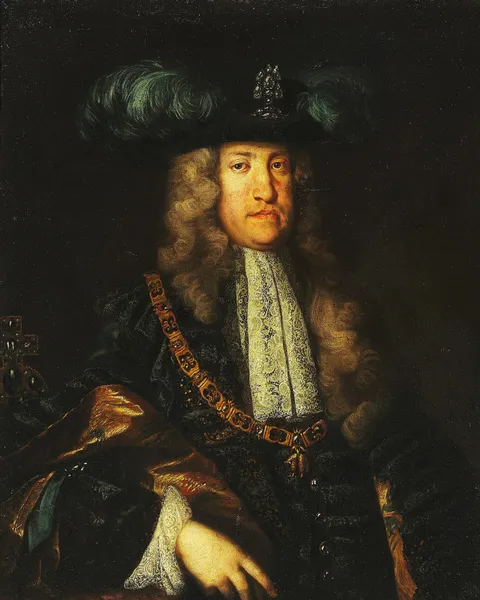
Charles VI1685–1740

Matrimonium

Marriages & Children

Marriage 1

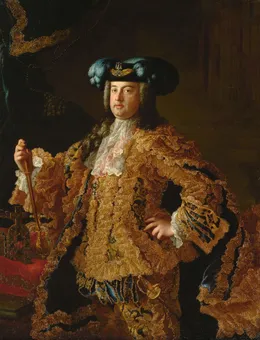
Francis I

1708–1765◆Married 12 February 1736, Augustinian Church

A rare love match that produced sixteen children. Maria Theresa married her daughters into France, Naples and Parma, continuing the family's marriage diplomacy.

Children

Stemma

Family Tree

Parents, grandparents, spouses and descendants. Gold frames mark members of the House of Habsburg; diamonds mark marriages, with the year alongside. Select a person to open their entry.

Leopold I1640–1705
Charles VI1685–1740
Francis I1708–1765
Maria Theresa1717–1780
Joseph II1741–1790
Leopold II1747–1792
Marie Antoinette1755–1793
Francis II1768–1835
1736

Chronica

Chronology

  1. 171319 April 1713

    The Pragmatic Sanction

    Charles VI declared the Habsburg lands indivisible and open to female succession. He spent the next twenty years buying Europe's recognition with concessions.

  2. 174016 December 1740

    Prussia invades Silesia

    Two months into Maria Theresa's reign, Frederick the Great of Prussia seized rich Silesia, starting the War of the Austrian Succession.

  3. 17561 May 1756

    The Diplomatic Revolution

    Austria allied with its old enemy France against Prussia and Britain. To seal the alliance, Maria Theresa later married her youngest daughter to the French heir.

  4. 17746 December 1774

    Compulsory schooling

    Maria Theresa's General School Ordinance made schooling compulsory for children aged six to twelve.

Image Credits