Era IV · 1556–1700
Two Branches
The Spanish line under Philip II dominated the Mediterranean and the Atlantic; the Austrian line held Central Europe against the Ottomans. Generations of close intermarriage ended the Spanish line with Charles II.
Overview
Under Philip II the Spanish branch reached its zenith: victory over the Ottoman fleet at Lepanto in 1571, the annexation of Portugal in 1580, and a stream of American silver. But the northern Netherlands rose in revolt, the Armada against England failed in 1588, and decline set in.
The Austrian branch faced religious division and the Ottoman threat. Ferdinand II's Counter-Reformation in Bohemia set off the Thirty Years' War, which ravaged Germany and ended with a Peace of Westphalia that greatly weakened the emperor. In 1683 the Ottomans besieged Vienna again; after its relief, Austria counter-attacked and became the great power of the Danube.
To bind the two branches together, the family married within itself again and again — uncles to nieces, cousins to cousins. In this era's family tree the same ancestors appear in several places at once. The price fell on Charles II: sickly from birth, he died childless, and the Spanish line ended in 1700.
Imperium
The Changing Map
- Spanish Habsburgs
- Northern Netherlands in revolt
- Austrian hereditary lands
- Lands of the Bohemian and Hungarian crowns
- Ottoman Empire and vassals
- Spanish Habsburgs
- Austrian hereditary lands
- Lands of the Bohemian and Hungarian crowns
- Ottoman Empire and vassals
- Lost 1635–1648
- Spanish Habsburgs
- Spanish lands lost to France
- Austrian hereditary lands
- Bohemia and reconquered Hungary
- Ottoman Empire
Borders are indicative only, approximated from modern administrative regions.
1580
1580: Spain at its Zenith
Philip II annexed Portugal and its overseas empire, bringing the Spanish branch to its greatest extent. But the northern Netherlands were in revolt and would renounce Philip the next year. The Austrian branch held much the same lands as in 1556, still facing the Ottomans across Hungary.
1648
1648: After the Thirty Years' War
Portugal regained its independence in 1640, and the Peace of Westphalia formally recognised the Dutch Republic. The Austrian branch ceded Upper Alsace to France, having already given Lusatia to Saxony in 1635. Both branches were in retreat.
1699
1699: One Rises, One Falls
The Spanish branch had lost Roussillon, Artois and Franche-Comté to France, and its king, Charles II, was dying. The Austrian branch, after relieving Vienna, pressed on: the Treaty of Karlowitz gave it Hungary, Transylvania and Croatia-Slavonia, leaving only the Banat in Ottoman hands.
Stemma
Family Tree
The principal figures of this era. Gold frames mark Habsburgs; diamonds mark marriages. Each person appears once, so where cousins married, several lines of descent converge on the same figure.
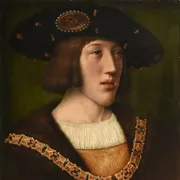 Charles V1500–1558
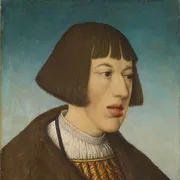 Ferdinand I1503–1564
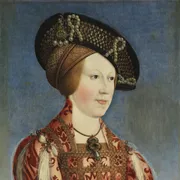 Anna of Bohemia and Hungary1503–1547
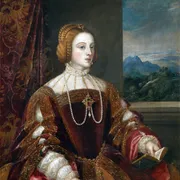 Isabella of Portugal1503–1539
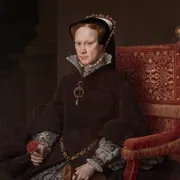 Mary I of England1516–1558
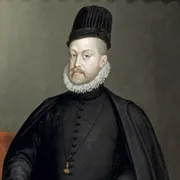 Philip II of Spain1527–1598
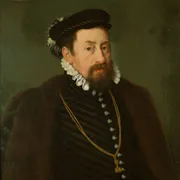 Maximilian II1527–1576
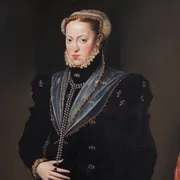 Maria of Spain1528–1603
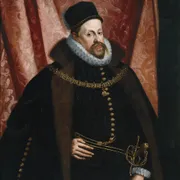 Charles II of Inner Austria1540–1590
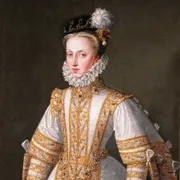 Anna of Austria1549–1580
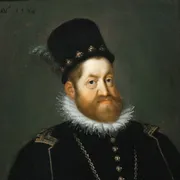 Rudolf II1552–1612
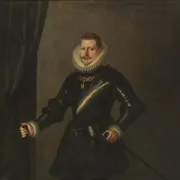 Philip III of Spain1578–1621
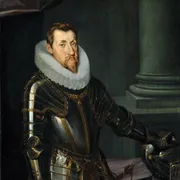 Ferdinand II1578–1637
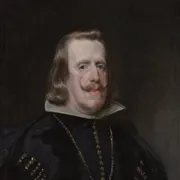 Philip IV of Spain1605–1665
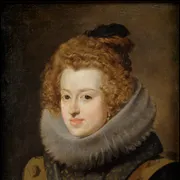 Maria Anna of Spain1606–1646
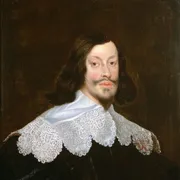 Ferdinand III1608–1657
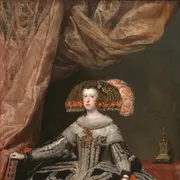 Mariana of Austria1634–1696
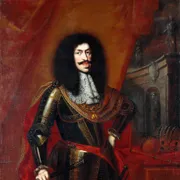 Leopold I1640–1705
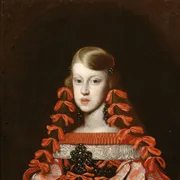 Margaret Theresa of Spain1651–1673
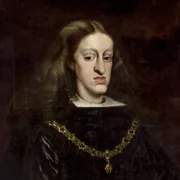 Charles II of Spain1661–1700
Chronica
Chronology
- 155616 January 1556
Charles V abdicates; the inheritance divides
Charles V passed Spain, the Netherlands and Italy to his son Philip II, and the imperial title and Austria to his brother Ferdinand I. The dynasty split into Spanish and Austrian branches.
- 15717 October 1571
Battle of Lepanto
Philip II's half-brother Don John of Austria led the Holy League's fleet to a crushing victory over the Ottoman navy off Greece.
- 1580
Philip II takes Portugal
When the Portuguese royal line died out, Philip II claimed the throne through his mother and took it by force. Spain and Portugal shared a king for sixty years.
- 1588August 1588
The Armada fails
Philip II's Armada against England was checked in the Channel and wrecked by storms on the long voyage home.
- 161823 May 1618
Defenestration of Prague
Protesting Ferdinand's religious policy, Bohemian Protestant nobles threw two imperial regents from a window of Prague Castle. The Thirty Years' War began.
- 16208 November 1620
Battle of White Mountain
Imperial and Catholic League forces routed the Bohemian rebels near Prague; Bohemia was forcibly re-Catholicised.
- 164824 October 1648
Peace of Westphalia
The Thirty Years' War ended. The states of the Empire gained near-sovereignty, and the Dutch Republic and Swiss Confederation were formally recognised as independent.
- 1656
Velázquez paints Las Meninas
At its centre stands five-year-old Princess Margaret Theresa; a mirror behind reflects Philip IV and Mariana. It is counted among the most complex paintings in Western art.
- 168312 September 1683
Battle of Vienna
After a two-month siege, John III Sobieski of Poland led the relief army down from the Kahlenberg and broke it. Austria then went on the offensive and reconquered most of Hungary.
- 17001 November 1700
The Spanish line dies out
Charles II died childless, leaving his throne to Philip of Anjou, grandson of Louis XIV. Austria refused to accept it, and the War of the Spanish Succession began.
Personae
People of this Era
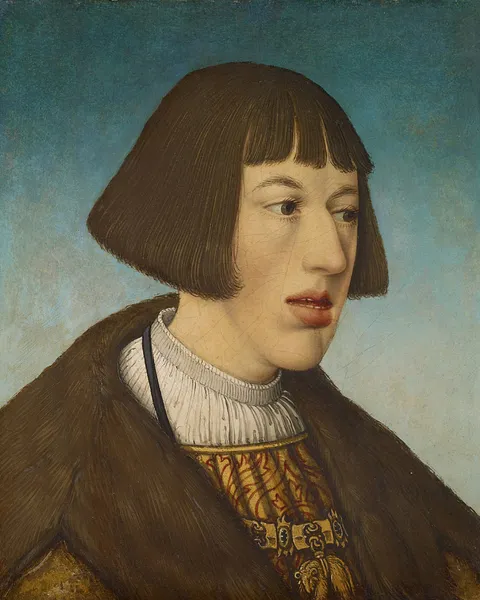 Ferdinand I1503–1564
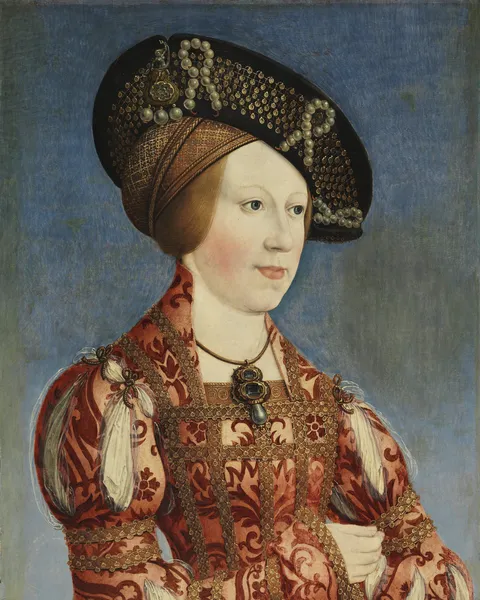 Anna of Bohemia and Hungary1503–1547
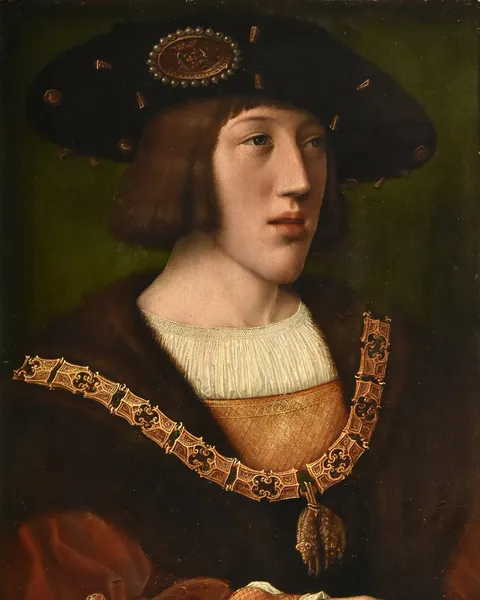 Charles V1500–1558
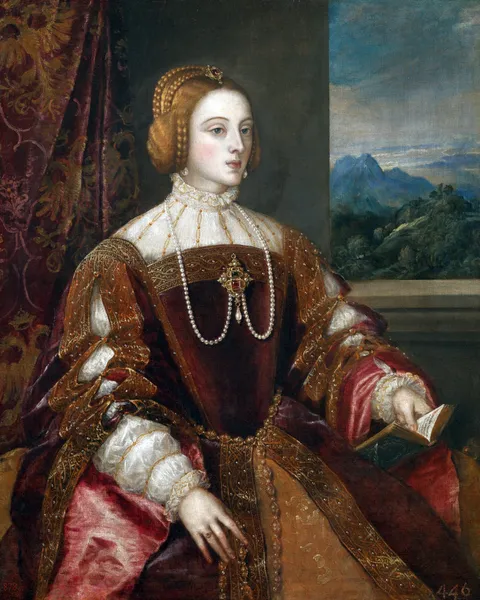 Isabella of Portugal1503–1539
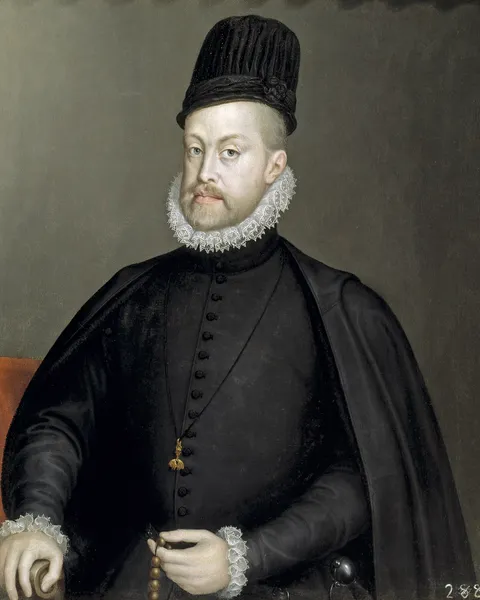 Philip II of Spain1527–1598
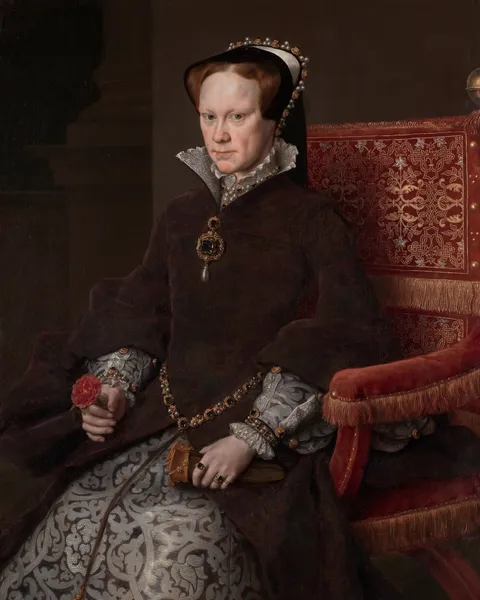 Mary I of England1516–1558
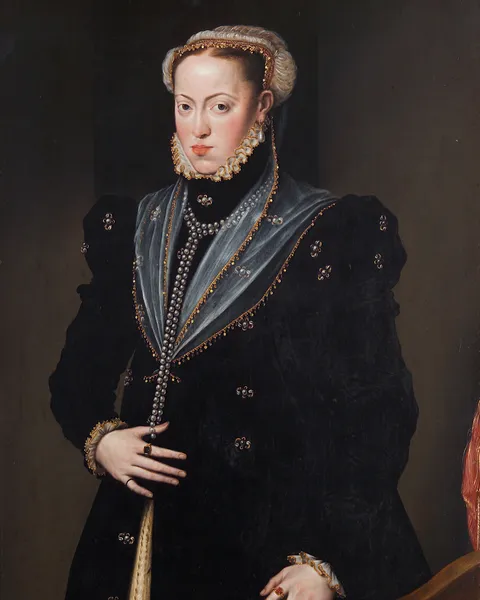 Maria of Spain1528–1603
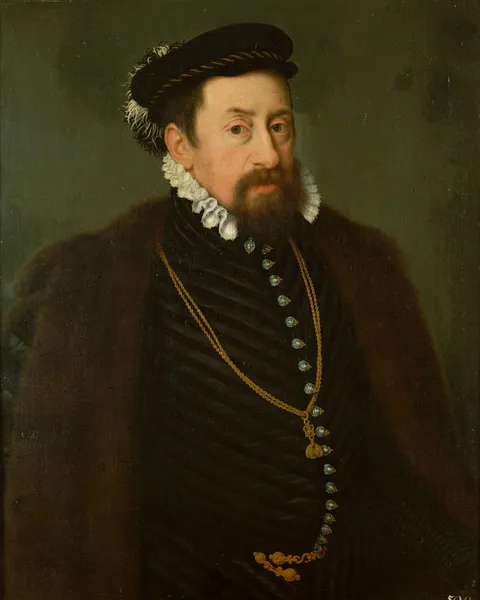 Maximilian II1527–1576
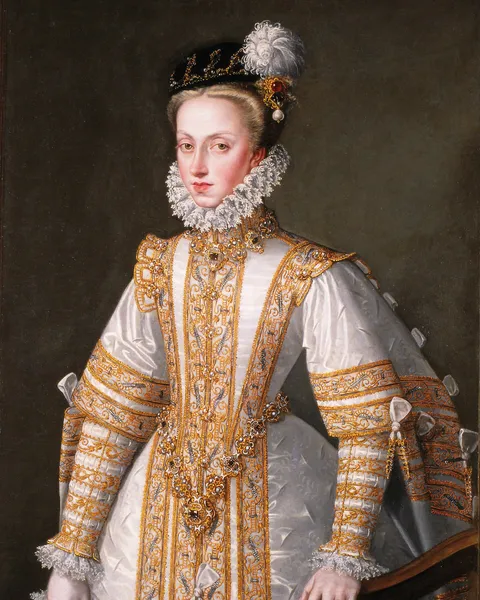 Anna of Austria1549–1580
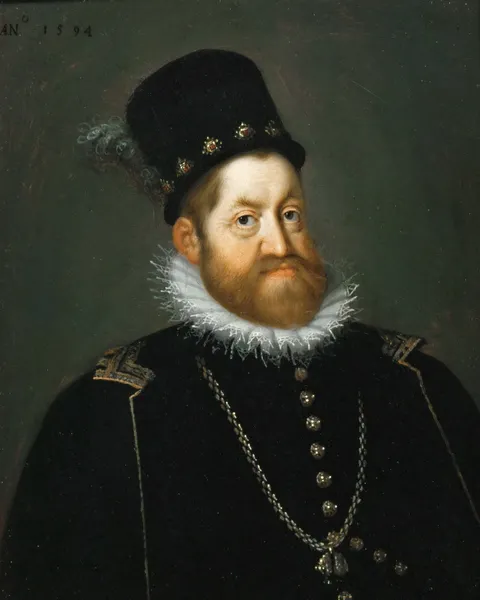 Rudolf II1552–1612
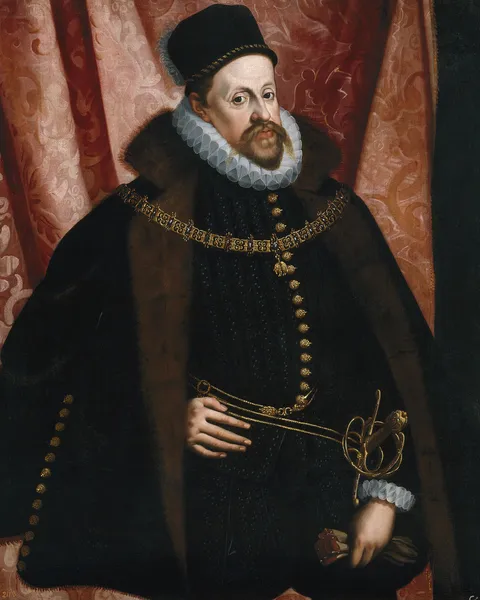 Charles II of Inner Austria1540–1590
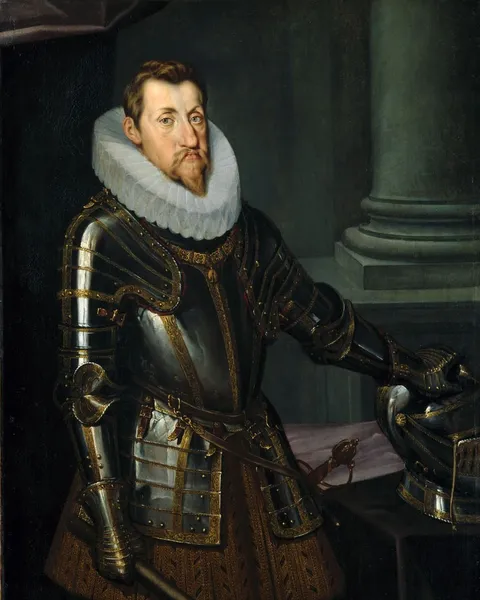 Ferdinand II1578–1637
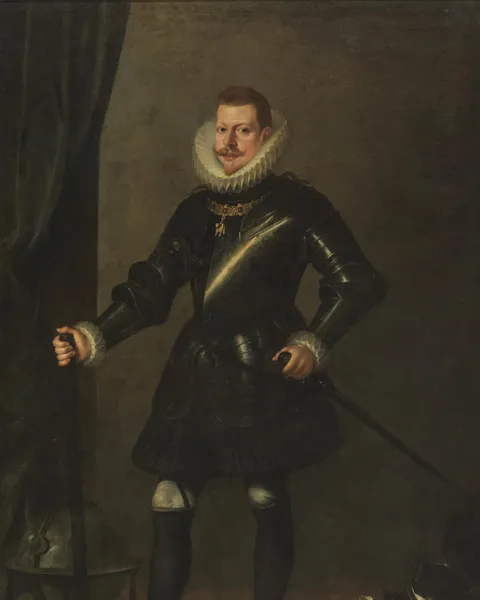 Philip III of Spain1578–1621
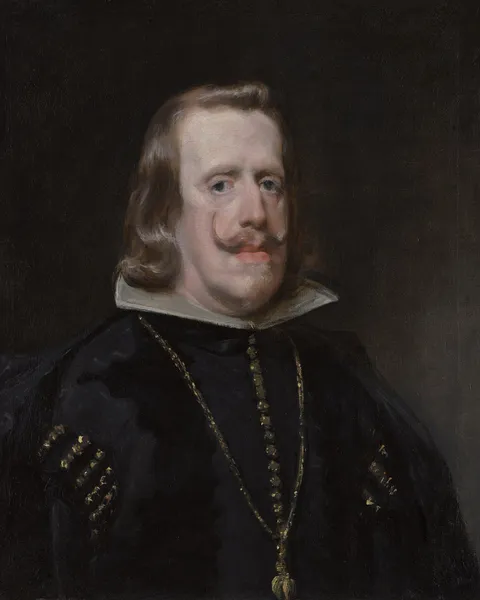 Philip IV of Spain1605–1665
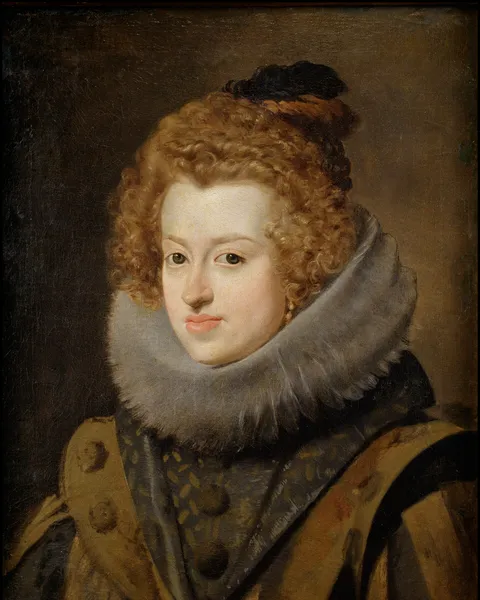 Maria Anna of Spain1606–1646
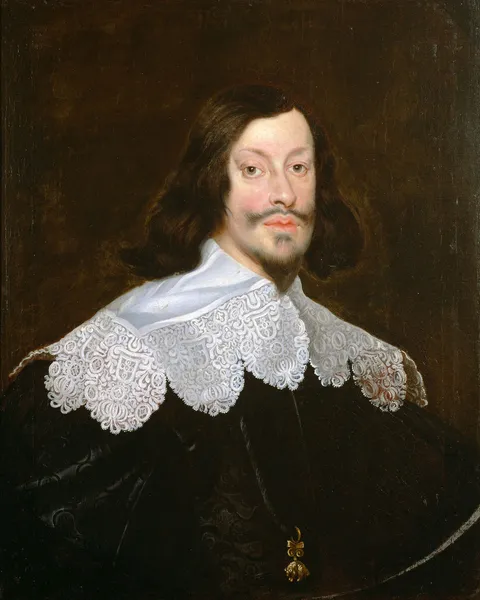 Ferdinand III1608–1657
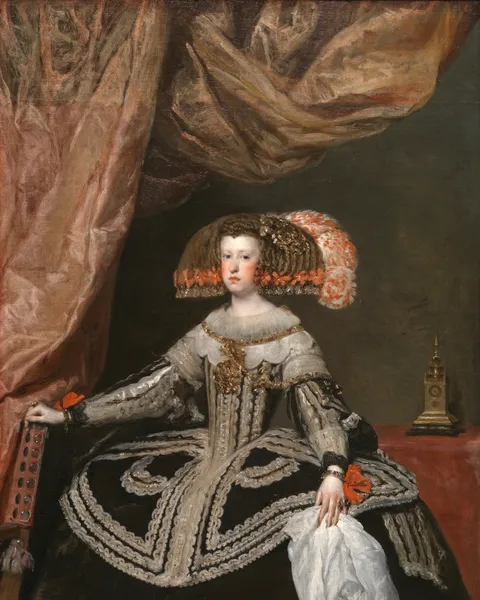 Mariana of Austria1634–1696
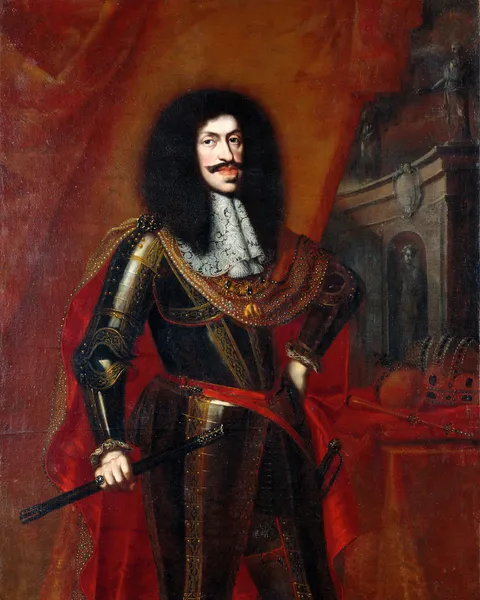 Leopold I1640–1705
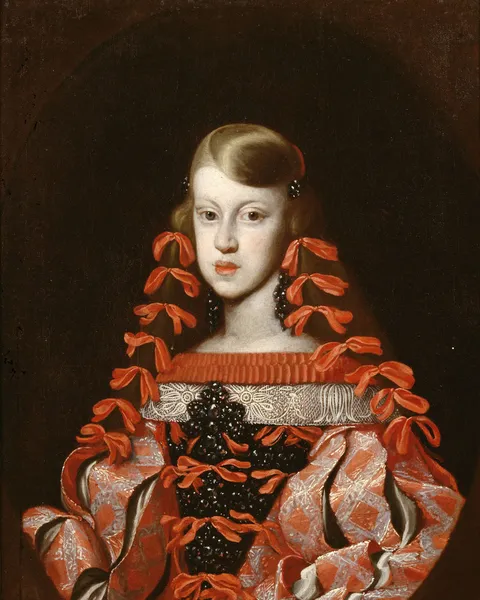 Margaret Theresa of Spain1651–1673
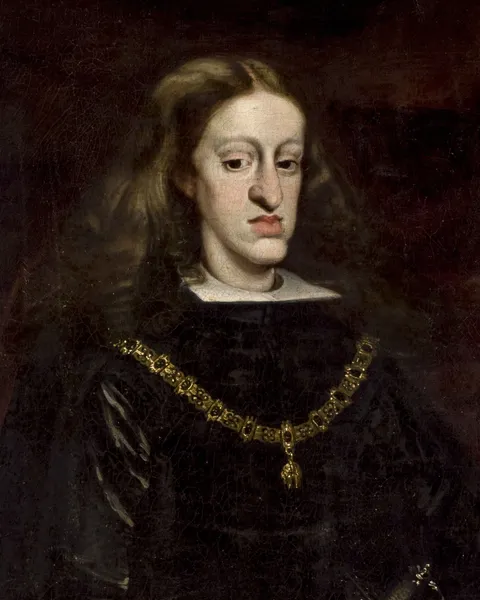 Charles II of Spain1661–1700