Era III · 1519–1556
The Sun Never Sets
Charles V ruled Spain, the Netherlands, southern Italy, Austria and the Americas, while facing France, the Ottomans and the Reformation. Exhausted, he abdicated in 1556.
Overview
In 1519 nineteen-year-old Charles V was elected emperor. Ruling Spain and the Americas, the Netherlands, southern Italy and Austria, he held more territory than any Christian monarch since Charlemagne.
So vast an empire had many enemies: Francis I of France to the west, Sultan Suleiman the Magnificent to the east, and within the Empire the Reformation unleashed by Martin Luther. Charles spent his life on campaign. He captured the French king at Pavia in 1525, yet his unpaid troops sacked Rome in 1527, and in 1529 an Ottoman army stood before Vienna.
His brother Ferdinand I governed Austria and, through his wife Anna's claim, won Bohemia and Hungary. The Peace of Augsburg in 1555 recognised Lutheranism and ended Charles's dream of religious unity. The next year he abdicated, leaving Spain to his son Philip II and the imperial title and Austria to Ferdinand. The dynasty now had two branches, Spanish and Austrian.
Imperium
The Changing Map
- Lands of Charles V
- Ferdinand I: Austrian hereditary lands
- Crowns of Bohemia and Hungary, 1526
- Spanish branch (Philip II)
- Austrian branch: hereditary lands (Ferdinand I)
- Austrian branch: Bohemia and Royal Hungary
- Ottoman Empire and vassals
Borders are indicative only, approximated from modern administrative regions.
1526
1526: Two Brothers
Charles V ruled Spain, the Netherlands and southern Italy; his brother Ferdinand governed Austria and, after Mohács, claimed the crowns of Bohemia and Hungary through his wife. Most of Hungary, however, was soon lost to the Ottomans and the rival king John Zápolya.
1556
1556: The Great Division
Charles V abdicated and his inheritance split in two. Philip II took the Spanish branch, including Milan (1535) and all seventeen provinces of the Netherlands; Ferdinand I took the Austrian branch. From 1541 central Hungary was ruled directly by the Ottomans, leaving the Habsburgs only "Royal Hungary" in the west and north.
Stemma
Family Tree
The principal figures of this era. Gold frames mark Habsburgs; diamonds mark marriages. Each person appears once, so where cousins married, several lines of descent converge on the same figure.
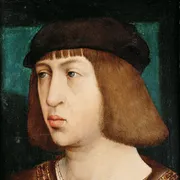 Philip the Handsome1478–1506
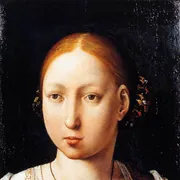 Joanna of Castile1479–1555
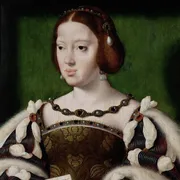 Eleanor of Austria1498–1558
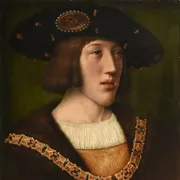 Charles V1500–1558
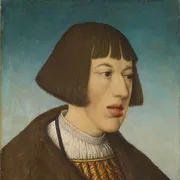 Ferdinand I1503–1564
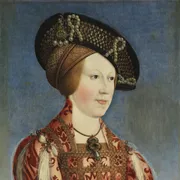 Anna of Bohemia and Hungary1503–1547
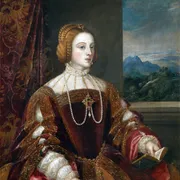 Isabella of Portugal1503–1539
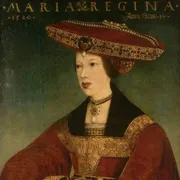 Mary of Hungary1505–1558
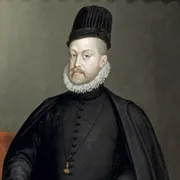 Philip II of Spain1527–1598
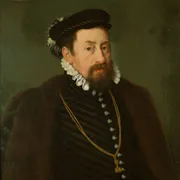 Maximilian II1527–1576
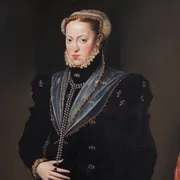 Maria of Spain1528–1603
Chronica
Chronology
- 151912 January 1519
Death of Maximilian
Died at Wels and was buried at Wiener Neustadt. That June his grandson Charles was elected emperor.
- 151928 June 1519
Charles V elected emperor
Funded by huge loans from the Fugger bank, Charles outbid Francis I of France for the electors' votes. A long Habsburg–French rivalry began.
- 152118 April 1521
Luther at the Diet of Worms
Martin Luther refused before Charles V to recant his writings. The emperor outlawed him, but the Reformation could not be stopped.
- 152524 February 1525
Battle of Pavia
Imperial troops crushed the French in Italy and captured King Francis I, who was taken to Madrid.
- 152629 August 1526
Battle of Mohács
Louis II of Hungary died childless fighting the Ottomans. Under the 1515 compact Ferdinand claimed the crowns of Bohemia and Hungary.
- 15276 May 1527
Sack of Rome
Unpaid imperial troops mutinied and sacked Rome, trapping Pope Clement VII. Catholic Europe was horrified.
- 152927 September 1529
First Siege of Vienna
Sultan Suleiman the Magnificent besieged Vienna but withdrew after about three weeks, defeated by weather and supply. The Ottoman threat hung over Central Europe for a century and a half.
- 153024 February 1530
Coronation at Bologna
Pope Clement VII crowned Charles V at Bologna — the last time a pope crowned an emperor.
- 155525 September 1555
Peace of Augsburg
Negotiated by Ferdinand, it let each prince choose Catholicism or Lutheranism for his lands. Charles V's dream of religious unity was over.
- 155616 January 1556
Charles V abdicates; the inheritance divides
Charles V passed Spain, the Netherlands and Italy to his son Philip II, and the imperial title and Austria to his brother Ferdinand I. The dynasty split into Spanish and Austrian branches.
Personae
People of this Era
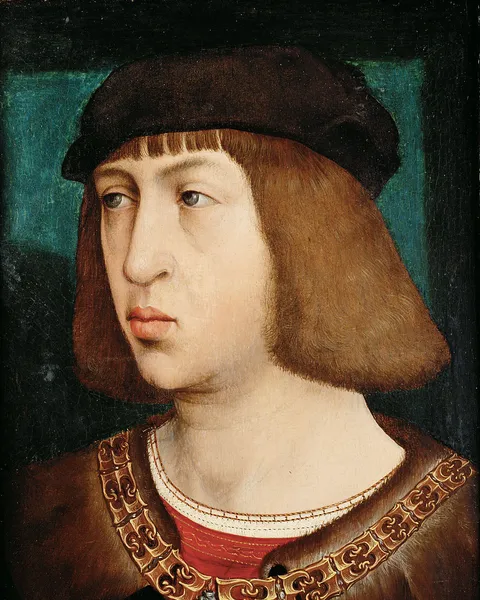 Philip the Handsome1478–1506
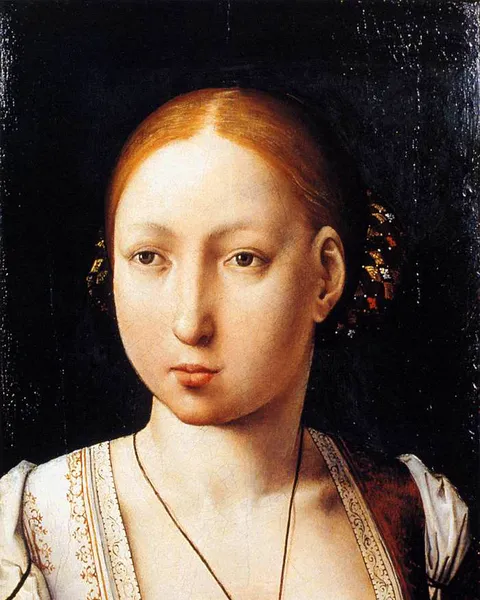 Joanna of Castile1479–1555
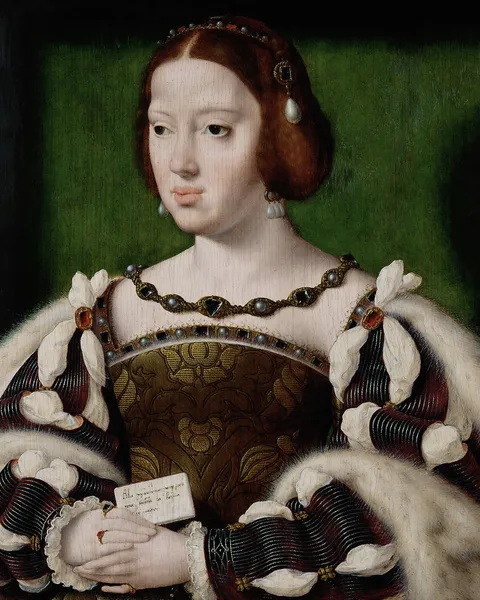 Eleanor of Austria1498–1558
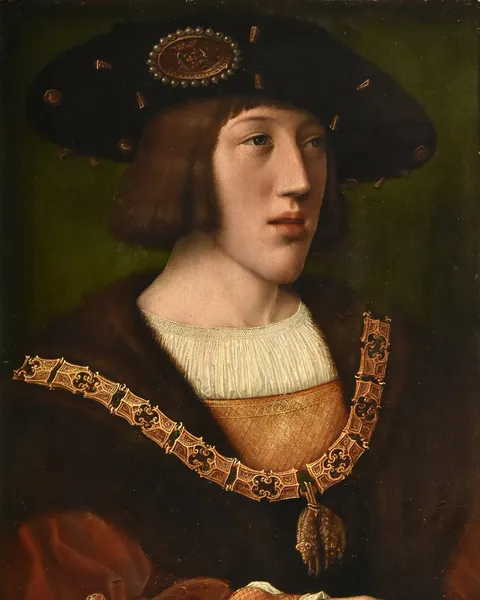 Charles V1500–1558
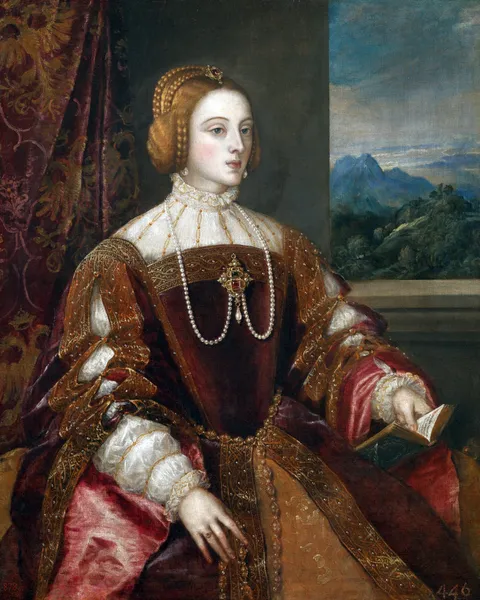 Isabella of Portugal1503–1539
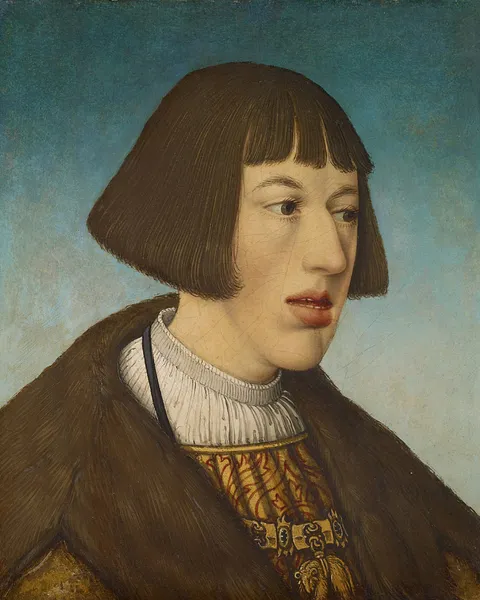 Ferdinand I1503–1564
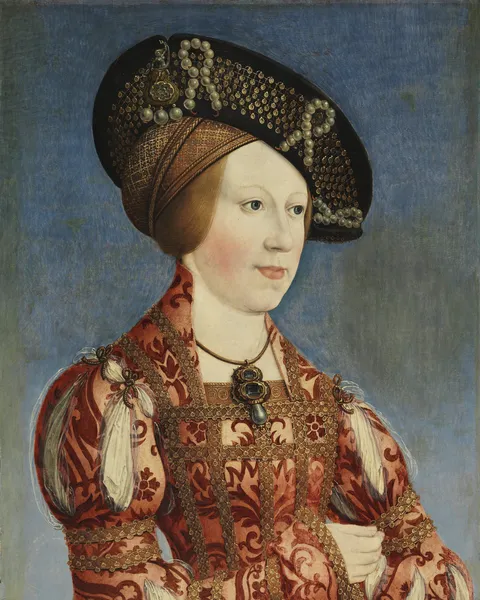 Anna of Bohemia and Hungary1503–1547
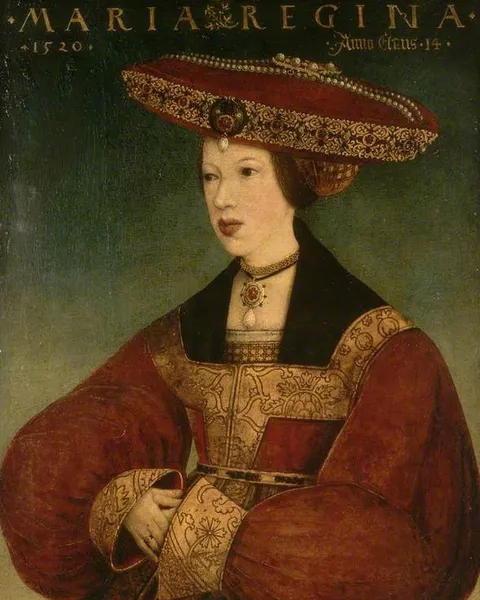 Mary of Hungary1505–1558
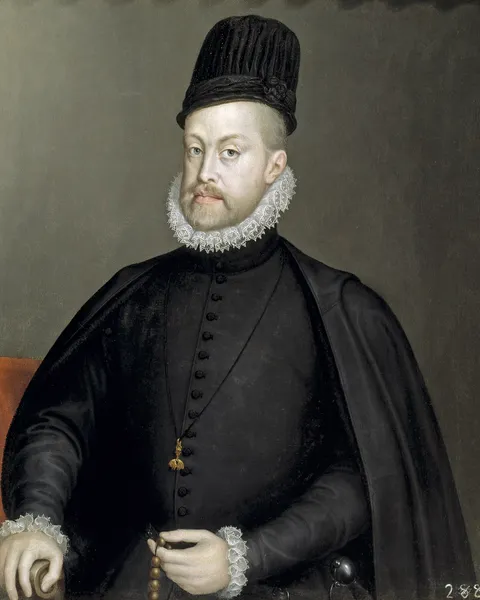 Philip II of Spain1527–1598
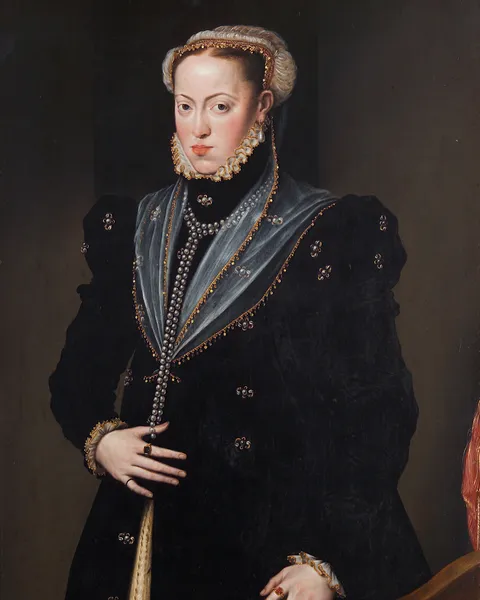 Maria of Spain1528–1603
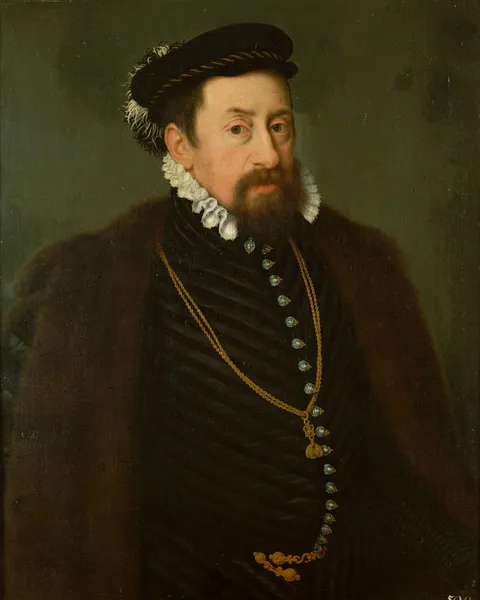 Maximilian II1527–1576