Era II · 1440–1519
Happy Austria, Marry
Frederick III regained the imperial crown; his son Maximilian I married Mary of Burgundy and matched his heirs with Spain and Hungary, carrying an Alpine dynasty to the summit of Europe.
Overview
Frederick III reigned for fifty-three years. Weak in arms, he simply outlasted his rivals, and in 1452 became the last emperor to be crowned in Rome. His greatest achievement was securing Mary of Burgundy as a bride for his son Maximilian.
The wedding at Ghent in 1477 brought the rich Netherlands into the family; the Spanish double marriage of 1496–97 and the Vienna double wedding of 1515 delivered Spain, Bohemia and Hungary two generations later. The full story is told in the biography of Maximilian I.
Imperium
The Changing Map
- Austrian hereditary lands
- Austrian hereditary lands
- Burgundian inheritance
- Burgundian lands lost to France
- Maximilian I: Austria
- Mary of Burgundy: the Netherlands
- Isabella I: Castile
- Ferdinand II: Aragon and southern Italy
Borders are indicative only, approximated from modern administrative regions.
1477
Before 1477: An Alpine Dynasty
Before Maximilian's marriage, the Habsburg lands lay in the eastern Alps — Upper and Lower Austria, Styria, Carinthia, Carniola and Tyrol — with scattered "Further Austrian" holdings on the upper Rhine. In size and wealth, this was a middling princely house of the Empire.
1493
1477–1493: The Burgundian Inheritance
Mary brought the Netherlands and Franche-Comté, with Ghent, Bruges and Antwerp — some of the richest trading cities in Europe. The duchy of Burgundy itself fell to France (hatched). After more than a decade of war and the Treaty of Senlis in 1493, the Habsburgs kept the rest.
1519
1519: Four Grandparents, One Heir
When Maximilian died, his grandson Charles held or stood to inherit the legacies of all four grandparents: Austria from Maximilian, the Netherlands from Mary, Castile and the Americas from Isabella, and Aragon, Naples, Sicily and Sardinia from Ferdinand. The American colonies lie beyond this map.
Stemma
Family Tree
The principal figures of this era. Gold frames mark Habsburgs; diamonds mark marriages. Each person appears once, so where cousins married, several lines of descent converge on the same figure.
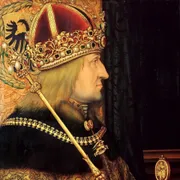 Frederick III1415–1493
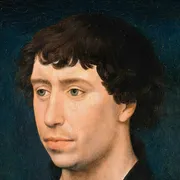 Charles the Bold1433–1477
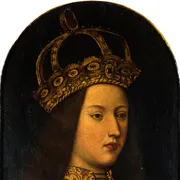 Eleanor of Portugal1434–1467
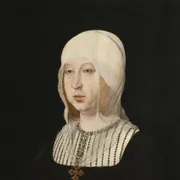 Isabella I of Castile1451–1504
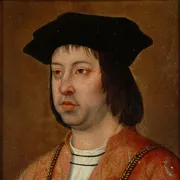 Ferdinand II of Aragon1452–1516
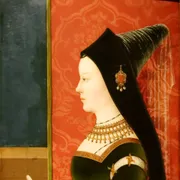 Mary of Burgundy1457–1482
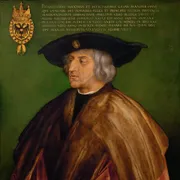 Maximilian I1459–1519
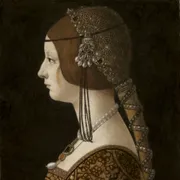 Bianca Maria Sforza1472–1510
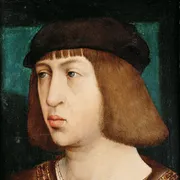 Philip the Handsome1478–1506
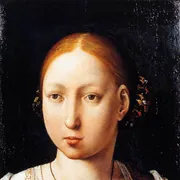 Joanna of Castile1479–1555
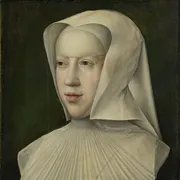 Margaret of Austria1480–1530
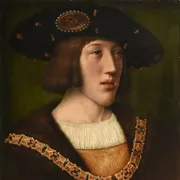 Charles V1500–1558
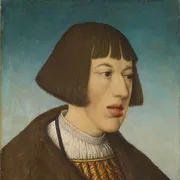 Ferdinand I1503–1564
Chronica
Chronology
- 145922 March 1459
Birth of Maximilian
Born at Wiener Neustadt. Frederick III named him after the obscure Saint Maximilian of Celeia — a name never before used in the dynasty.
- 14775 January 1477
Battle of Nancy
Charles the Bold fell before the Swiss and Lorrainers. Louis XI of France at once moved to seize the duchy of Burgundy itself.
- 147719 August 1477
The wedding at Ghent
Eighteen-year-old Maximilian married Mary of Burgundy at Ghent and took over the war against France.
- 14797 August 1479
Battle of Guinegate
Maximilian, fighting on foot among his pikemen, defeated the French and saved the southern Netherlands.
- 148227 March 1482
Death of Mary of Burgundy
Mary died weeks after a fall while hawking near Bruges. The Netherlands estates refused Maximilian the regency and rallied to four-year-old Philip.
- 148223 December 1482
Treaty of Arras
The duchy of Burgundy went to France; two-year-old Margaret was betrothed to the Dauphin, with Franche-Comté and Artois as her dowry.
- 148616 February 1486
Elected King of the Romans
Elected at Frankfurt as heir to the imperial dignity and crowned at Aachen that April.
- 1488February 1488
Captive in Bruges
The citizens of Bruges held Maximilian prisoner for nearly four months, releasing him only after he swore to give up the regency.
- 1490
Tyrol gained
His cousin Sigismund ceded Tyrol; after the death of Matthias Corvinus of Hungary, Maximilian retook Vienna, lost five years earlier.
- 14917 November 1491
Peace of Pressburg
Peace with Vladislaus II of Hungary, with the promise that the Habsburgs would succeed should his Jagiellonian line fail.
- 149323 May 1493
Treaty of Senlis
Charles VIII, having married Anne of Brittany instead, returned Margaret and her dowry; Franche-Comté and Artois came back to the Habsburgs.
- 149319 August 1493
Death of Frederick III
Frederick III died at Linz, and Maximilian inherited all the Austrian hereditary lands.
- 149416 March 1494
Marriage to Bianca Maria Sforza
A marriage for Milanese money; in return Maximilian recognised her uncle Ludovico as Duke of Milan.
- 1495
Diet of Worms
Proclaimed the Perpetual Public Peace, outlawing private war, and created the Imperial Chamber Court — the start of imperial reform.
- 149620 October 1496
The Spanish double marriage
Philip married Joanna; the next year Margaret married the Spanish heir, John. The two houses were now allied against France.
- 1499
Swabian War
Defeat by the Swiss Confederation; after the Peace of Basel the Swiss were de facto independent of the Empire, ending any Habsburg hope of regaining their ancestral Swiss lands.
- 150426 November 1504
Joanna inherits Castile
Isabella I died. With John, Isabella and her son Miguel already dead, Joanna became Queen of Castile.
- 15084 February 1508
Proclaimed Emperor-elect
Barred by Venice from marching to Rome, Maximilian took the title of Emperor-elect at Trent with papal consent. Emperors no longer needed a Roman coronation.
- 151522 July 1515
The Vienna double wedding
His granddaughter Mary married Prince Louis of Hungary, while Princess Anna was wed to one of his grandsons, with Maximilian himself standing proxy.
Personae
People of this Era
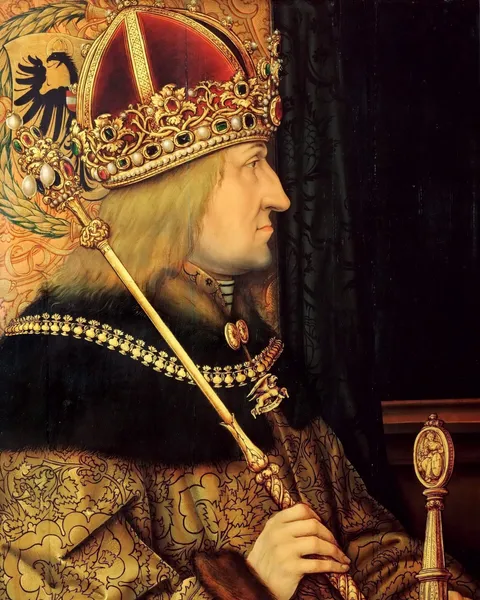 Frederick III1415–1493
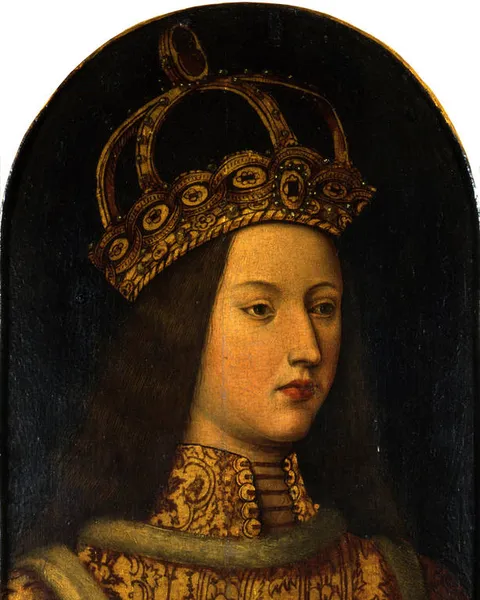 Eleanor of Portugal1434–1467
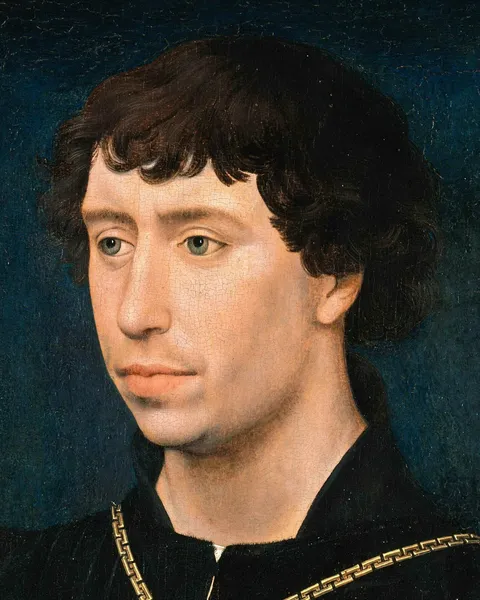 Charles the Bold1433–1477
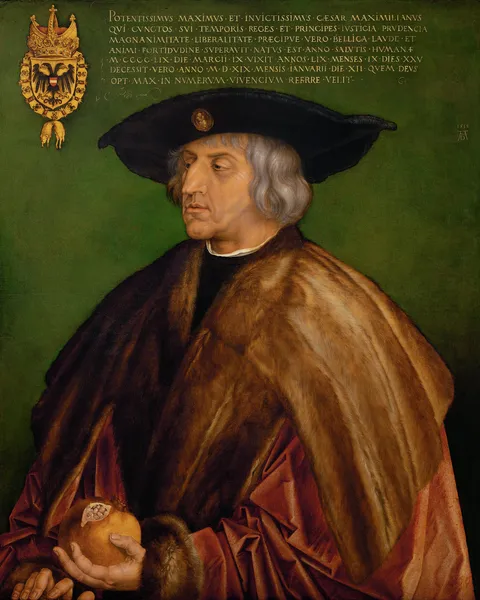 Maximilian I1459–1519Biography
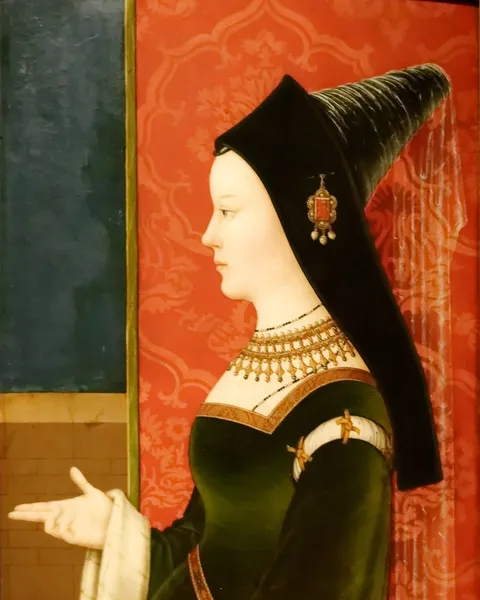 Mary of Burgundy1457–1482
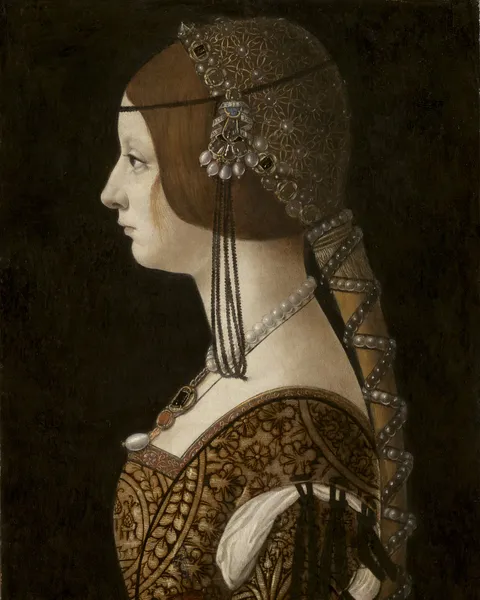 Bianca Maria Sforza1472–1510
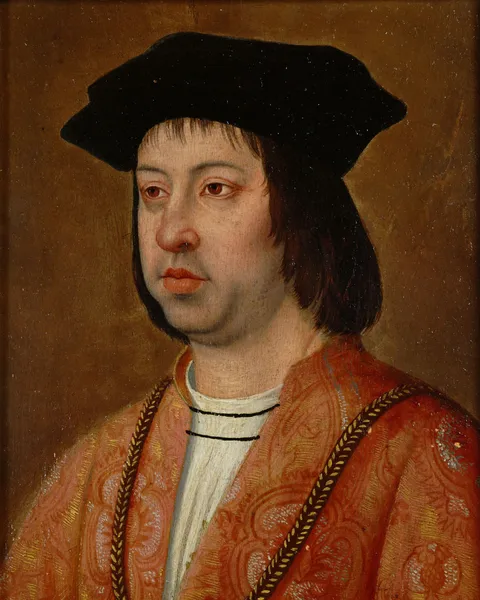 Ferdinand II of Aragon1452–1516
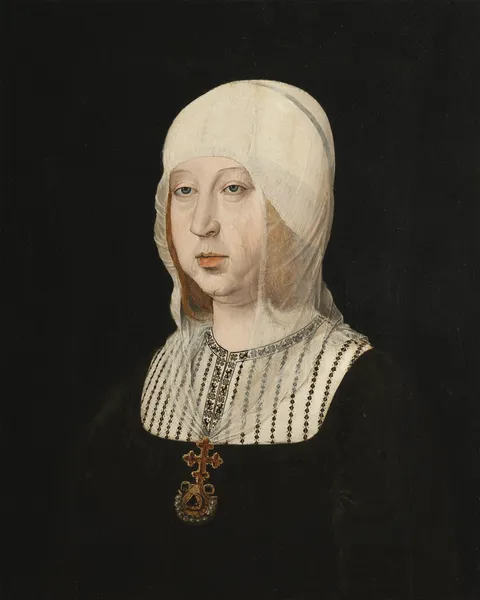 Isabella I of Castile1451–1504
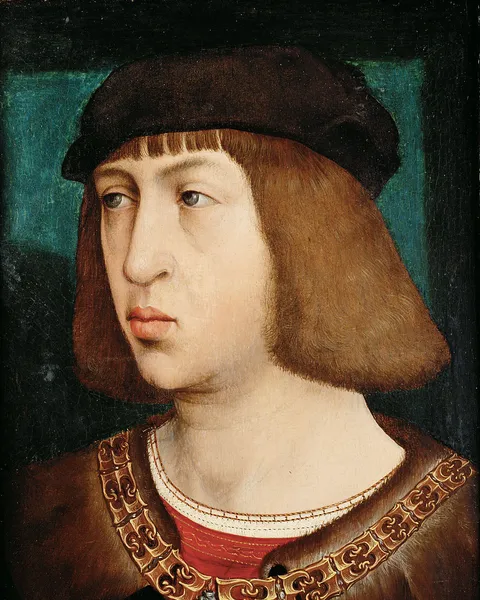 Philip the Handsome1478–1506
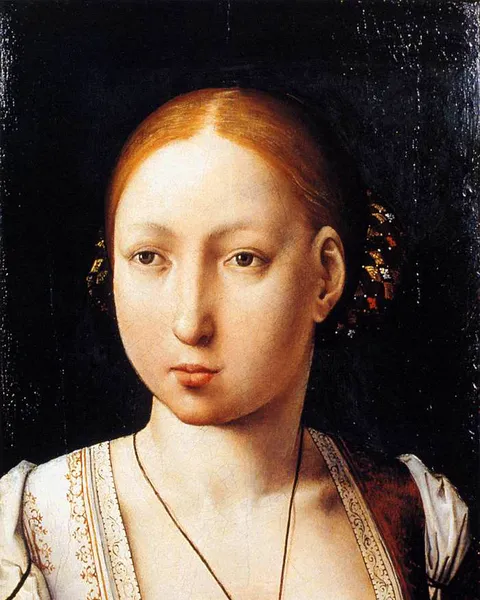 Joanna of Castile1479–1555
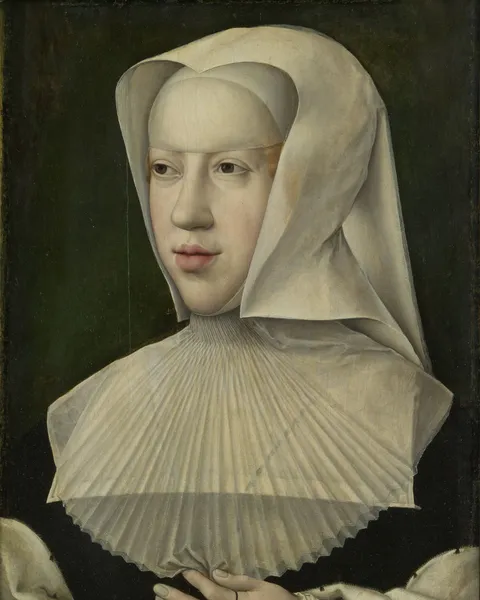 Margaret of Austria1480–1530
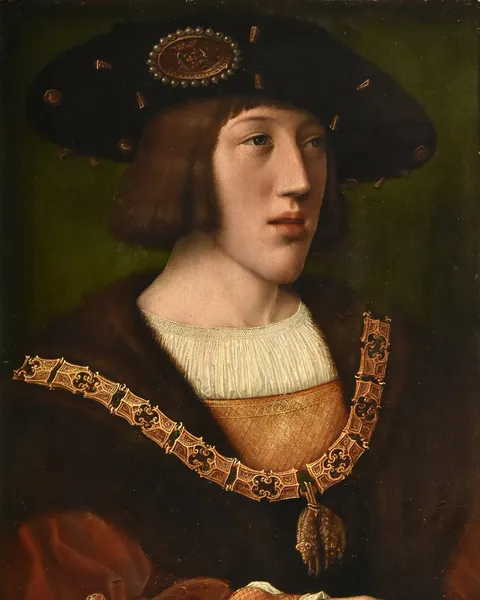 Charles V1500–1558
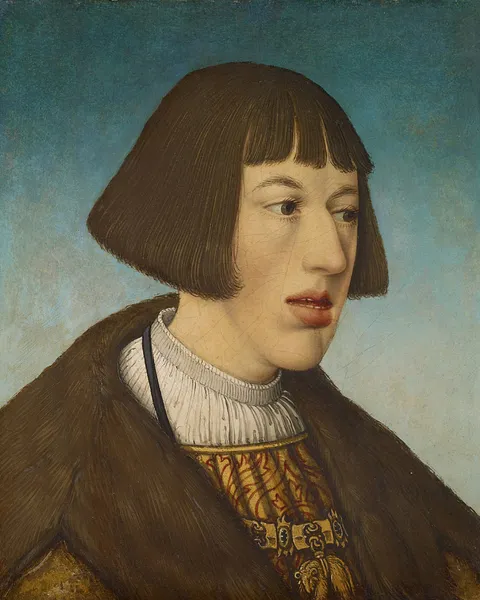 Ferdinand I1503–1564